From "performance doesn’t work" to 6X revenue growth in just 5 months.
"Performance doesn’t work" to 6x revenue growth in 5 months.
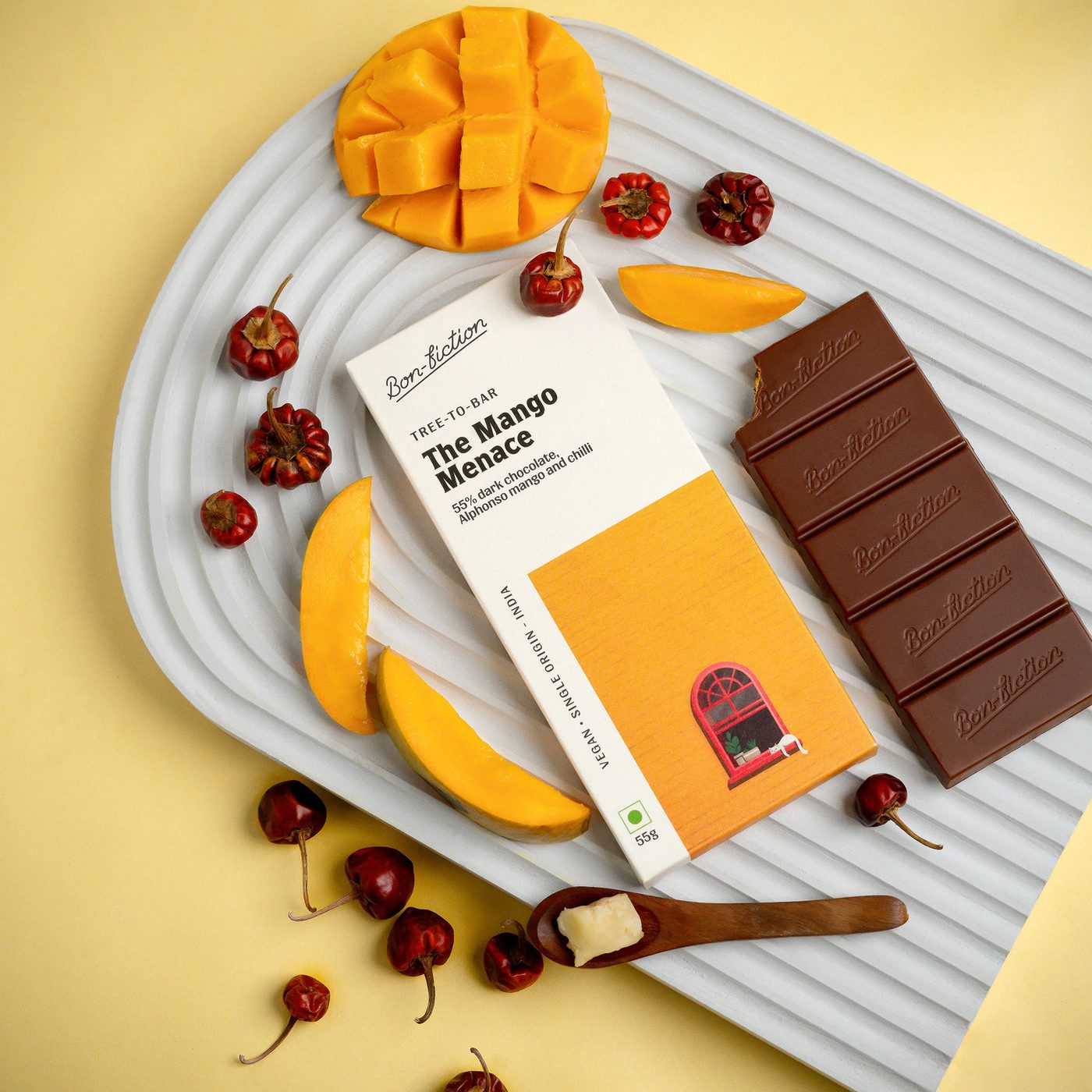
About Bon Fiction
Bon Fiction had been burned enough times to believe performance marketing simply did not work for them. Online sales were a trickle, mostly limping through WhatsApp orders, and paid media had been written off as an experiment that failed. The Shizz took the bet they had given up on and built the D2C engine from scratch: the right audience, the right creative, the right funnel, in that order.
The category gave no cover. It is a premium craft product in a market with high churn and fierce competition, where a soft ROAS is not survivable. Five months later, revenue was up over 6x, five new states were performing, and digital had gone from a channel the founders doubted to one that turns a profit.
"Performance doesn't work" is almost always a measurement or a structure problem in disguise. Rebuild the tracking and the funnel before you conclude the channel is wrong for the brand.
The challenge
Bon Fiction arrived with broken tracking and attribution nobody could trust, which is the quiet root of most failed paid programmes. If the numbers cannot say which campaign, product or geography produced a sale, every optimisation decision is a coin toss, and the account gets worse the longer it runs. Meta ads were failing with zero clarity on what sold where.
Underneath that, the business was quietly dependent on WhatsApp orders, so revenue moved at the pace of manual conversations rather than a funnel. And the category offered no forgiveness: high churn, fierce competition, and no margin to absorb a soft ROAS. The conclusion that performance "doesn't work" was a fair read of the evidence. The evidence was the problem.
What we corrected
The slate was wiped and the fundamentals came first: who exactly to target, and which SKUs deserved the spotlight. Those two decisions do more for a struggling account than any bidding change, because a premium product sold to the wrong audience will always look like a channel failure. Campaign objectives were rebuilt so the platform optimised toward the outcome the business actually wanted, and a proper full-funnel structure was laid in, separating people meeting the brand for the first time from those already close to buying.
Creative was rebuilt to do justice to the craft behind the brand, which a discount-led ad never does. Then Google Ads was switched on, completely untapped until then, and turned into a serious sales lever.
Our approach
The strategy leaned into what makes Bon Fiction special: premium, narrative-led campaigns built around indulgence, gifting and craft, rather than price. Targeting aimed at tier-1 cities and affluent non-metros, and unlocked five new performing states in the process. Demand for premium gifting outside the metros is routinely underestimated, and it is usually cheaper to reach. Constant creative testing kept fresh angles in market before the existing ones fatigued.
Audience layering separated cold prospecting from warm retargeting, so each was measured and funded on its own terms. Disciplined budgeting across Meta and Google kept the whole thing lean and converting hard, with Google catching intent and Meta building the desire that creates it.
The results
In five months, online revenue grew over 6x, entirely on paid media, with no COD crutch propping up the numbers. Prepaid revenue is real revenue, without the return and cancellation leakage that inflates a COD-heavy top line. ROAS targets were hit consistently rather than once. Google went from unused to a top sales driver, which is the clearest evidence that the earlier failure was structural and not a verdict on the channel.
Reach widened by five new states, giving the brand demand outside its original base. D2C moved from an experiment the team doubted to a profitable channel they are willing to bet on, and the numbers could finally say why.
Attribution debt: the reason paid media gets written off
A brand that says performance marketing does not work is usually describing a measurement failure, not a channel failure. When tracking is broken, sales still happen but nobody can see where they came from. Optimisation then runs on noise, and budget drifts toward whatever the last dashboard happened to credit. The second common cause is structural. One campaign asked to do prospecting, retargeting and retention at once cannot be read, because cheap conversions from warm audiences flatter the expensive ones from cold.
The fix is unexciting and reliable: repair the tracking, split the funnel into stages measured separately, and give each stage its own objective and budget. Only then does the channel report the truth.
What we ran
On Bon Fiction, The Shizz ran Meta Ads, Google Ads and Amazon Ads, with retention marketing plus creative and CRO consultation.
Questions, answered
What did The Shizz do for Bon Fiction?
The Shizz rebuilt Bon Fiction's D2C engine from scratch after the brand had concluded that performance marketing did not work for it: new targeting and SKU priorities, rebuilt campaign objectives, a full-funnel structure, premium creative, and Google Ads switched on. Online revenue grew over 6x in five months.
How did Bon Fiction achieve 6x revenue growth in five months?
Bon Fiction grew over 6x in five months on paid media alone, with no COD crutch. The Shizz fixed tracking and attribution first, rebuilt campaign objectives and funnel structure, aimed premium narrative-led creative at tier-1 cities and affluent non-metros, and added Google Ads, which became a top sales driver.
What was Bon Fiction's main growth problem before working with The Shizz?
Bon Fiction had broken tracking and attribution it could not trust, failing Meta ads with no clarity on what sold where, and a business quietly dependent on WhatsApp orders. In a category with high churn and fierce competition, performance marketing looked like it did not work.
Which channels did The Shizz run for Bon Fiction?
The Shizz ran Meta Ads, Google Ads and Amazon Ads for Bon Fiction, supported by retention marketing and creative and CRO consultation. Google Ads had been completely untapped before the engagement and became a top sales driver, while Meta was rebuilt around full-funnel structure and premium creative.
Who handles Bon Fiction's performance marketing?
The Shizz handles Bon Fiction's performance marketing, running Meta Ads, Google Ads and Amazon Ads with retention marketing plus creative and CRO consultation. The engagement rebuilt the D2C engine from scratch and grew online revenue over 6x in five months.
What is Bon Fiction's marketing strategy?
The strategy leans into what makes Bon Fiction special: premium, narrative-led campaigns built around indulgence, gifting and craft rather than price. Targeting aims at tier-1 cities and affluent non-metros, constant creative testing keeps fresh angles in market, and disciplined budgeting across Meta and Google lets Google catch intent while Meta builds the desire that creates it.
More case studies
- 1970 Shop
From zero to ₹70 lakhs a month in just 8 months.
- Pro Nature
From a 1.2x ROAS to an 8x scale in 10 months.
- Kroslo
ROAS doubled in just 25 days.
Want numbers like these for your brand?
We will tear down your funnel, creative and numbers, free and with no pitch, and hand you a 90-day growth roadmap you keep.
Book a Growth Audit →WhatsApp us