A content transformation that helped drive ₹20 crore+ in sales.
A content transformation that drove ₹20 crore+ in sales.
About Sri Sri Tattva
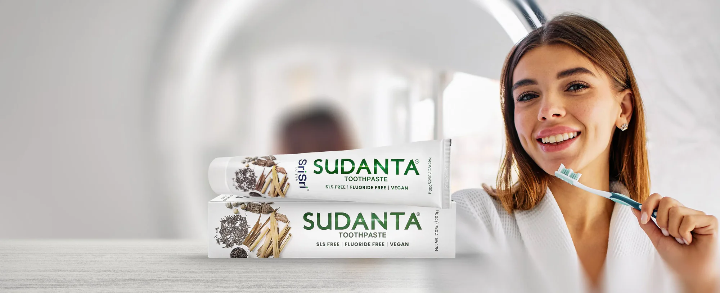
Sri Sri Tattva already had scale and trust. What it did not have was content pulling its weight. A heritage brand with a wide range was producing creative that informed but rarely sold, and the gap between the brand's standing and its feed was doing real damage. The Shizz overhauled the creative and content engine end to end: photography, social and ad creative rebuilt as one system rather than three separate briefs.
That engine became a core driver behind ₹20 crore+ in sales. The work was not a rebrand. The brand equity was already there and did not need touching. What needed rebuilding was the layer that translates equity into something a person scrolling at speed will stop for and act on.
A heritage brand was speaking in tradition while the customer scrolled in the present. Translating credibility into native, platform-first content unlocked the scale.
The challenge
A big brand with a wide range, and content that felt scattered, inconsistent and disconnected from how people actually buy. Strong heritage, weak storytelling. The specific failure was that creative informed but rarely converted, and that happens for a structural reason at brands this size. As a rule, range breadth spreads creative across many separate briefs, so assets tend to get made one campaign at a time with no shared creative language.
The feed then reads as several brands sharing a logo, and the audience never accumulates recognition. Meanwhile the credibility the brand had earned stayed locked in language, formats and pacing that belong to another medium. The customer was scrolling in the present while the brand was speaking in tradition, and nothing bridged the two.
What we corrected
The content system was rebuilt from the ground up: a clear creative language, sharper product storytelling, and formats designed for performance rather than presence. Alignment did most of the work. When photography, social and ad creative are briefed off the same system, every asset compounds the last, and a person who sees a shoot on Instagram recognises the same visual grammar in a paid placement later. That recognition is free reach.
Product storytelling was sharpened so each SKU had a reason to exist in the range rather than a list of attributes, which is what makes a creative sellable rather than merely informative. Formats were built for the placement they run in, so nothing was shot once and cropped everywhere. Photography was brought inside the same system rather than briefed on its own.
Our approach
Content was treated as the growth lever it is, not decoration. Every asset was mapped to a point in the customer's journey, so a person meeting the brand for the first time got a different piece to a person who had already read the label. Story-led creative was then tuned to each platform rather than reformatted for it, which is a meaningful distinction: a native-feeling asset earns a lower cost per impression from the platform itself, before any targeting decision is made.
Because one system fed organic social, photography and paid media, the paid channel inherited a bank of proven angles instead of starting from a blank brief each month. Content stopped being a cost line and started behaving like a sales engine.
The results
The revamped content engine became a core contributor to ₹20 crore+ in sales, and it lifted brand perception at the same time, which is the part that does not show in a weekly report. The full content revamp produced an omnichannel creative system rather than a run of campaigns, so the gain kept paying after the launch window closed.
Consistency was the mechanism. One creative language across photography, social and ads meant every impression built on the previous one instead of resetting it. For a brand with existing trust, that is how the trust finally reaches a feed. It also gave the marketing team a repeatable brief, so new SKUs entered the system rather than restarting it.
What separates content that informs from content that sells
The most common creative failure is not ugliness. It is that the asset explains rather than persuades. Explanation assumes attention the feed does not grant. A selling asset earns the first moment with a hook, gives one reason to believe, then asks for the action before the viewer decides to keep scrolling. Heritage brands are especially prone to the explaining failure, because their credibility was built through packaging, professional endorsement and long familiarity, and none of those cues survive compression into a short vertical video.
As a rule, the fix is a shared creative system rather than better individual assets: one visual language, hooks tested as a set, and formats built for the placement instead of cropped into it. The system also solves the volume problem, since performance media consumes creative faster than any campaign-by-campaign process can supply it.
What we ran
On Sri Sri Tattva, The Shizz ran Content Creation, Creative Strategy, Social Media Marketing, Performance Marketing and Photography.
Questions, answered
What did The Shizz do for Sri Sri Tattva?
The Shizz rebuilt Sri Sri Tattva's content and creative engine end to end, covering content creation, creative strategy, social media marketing, performance marketing and photography. Photography, social and ad creative were aligned into one creative language, product storytelling was sharpened, and formats were designed for performance rather than presence.
How did content help drive ₹20 crore+ in sales for Sri Sri Tattva?
Sri Sri Tattva's revamped content engine became a core driver behind ₹20 crore+ in sales because The Shizz treated content as a growth lever rather than decoration. Story-led assets were mapped to each stage of the customer journey and tuned to each platform, so the creative converted instead of only informing.
Which services did The Shizz run for Sri Sri Tattva?
The Shizz ran content creation, creative strategy, social media marketing, performance marketing and photography for Sri Sri Tattva. Photography was brought inside the same content system rather than briefed on its own, so organic social, product shoots and paid ads all worked from one creative language.
Who handles Sri Sri Tattva's performance marketing?
The Shizz works with Sri Sri Tattva across content creation, creative strategy, social media marketing, performance marketing and photography. The engagement was a full content revamp that turned content into an omnichannel creative system and a core contributor to ₹20 crore+ in sales.
What is Sri Sri Tattva's marketing strategy?
Content is treated as the growth lever rather than decoration. Every asset is mapped to a point in the customer's journey, and story-led creative is tuned to each platform rather than reformatted for it. One system feeds organic social, photography and paid media, so the paid channel inherits a bank of proven angles instead of starting from a blank brief each month.
More case studies
- 1970 Shop
From zero to ₹70 lakhs a month in just 8 months.
- Pro Nature
From a 1.2x ROAS to an 8x scale in 10 months.
- Kroslo
ROAS doubled in just 25 days.
Want numbers like these for your brand?
We will tear down your funnel, creative and numbers, free and with no pitch, and hand you a 90-day growth roadmap you keep.
Book a Growth Audit →WhatsApp us